Table of contents
- 01When You Finally Open Your Heart
- 02Love Doesn't Always Arrive at the Same Time
- 03The Words That Hurt the Most
- 04The Iceberg Nobody Sees
- 05The Demons We Fight Within Ourselves
- 06Becoming Someone I Would Want to Love
- 07Spirituality Doesn't Make Us Immune to Heartbreak
- 08I Still Believe in Love
- 09The Courage to Keep Your Heart Open
There comes a moment in life when you have to decide whether to protect your heart or allow yourself to be vulnerable.
You meet someone. You develop feelings. You begin to imagine what life might look like with that person. And somewhere along the way, those feelings become deeper than you expected.
But expressing them comes with a risk.
What if the other person doesn't feel the same way? What if you've misunderstood the connection? What if opening your heart means getting hurt?
I recently found myself asking some of these questions.
And I decided to be vulnerable anyway.
What followed was one of the most beautiful and painful experiences I've had in a long time. It reminded me that no matter how much we work on ourselves, how much we grow, or how deeply we explore spirituality, we are still human.
We still want to love and be loved.
And sometimes, that means getting hurt.
When You Finally Open Your Heart
Over the last few years, I've spent a lot of time working on myself. I've changed my environment, developed healthier habits, read books, traveled, and gone much deeper into my spiritual journey.
More recently, after completing a period of sadhana, I found myself reflecting on someone I had known for years.
For those unfamiliar with the word, sadhana is a spiritual practice that involves discipline, devotion, and working on yourself through practices such as meditation, prayer, and mantra chanting.
During this period, feelings I had carried for some time became much clearer.
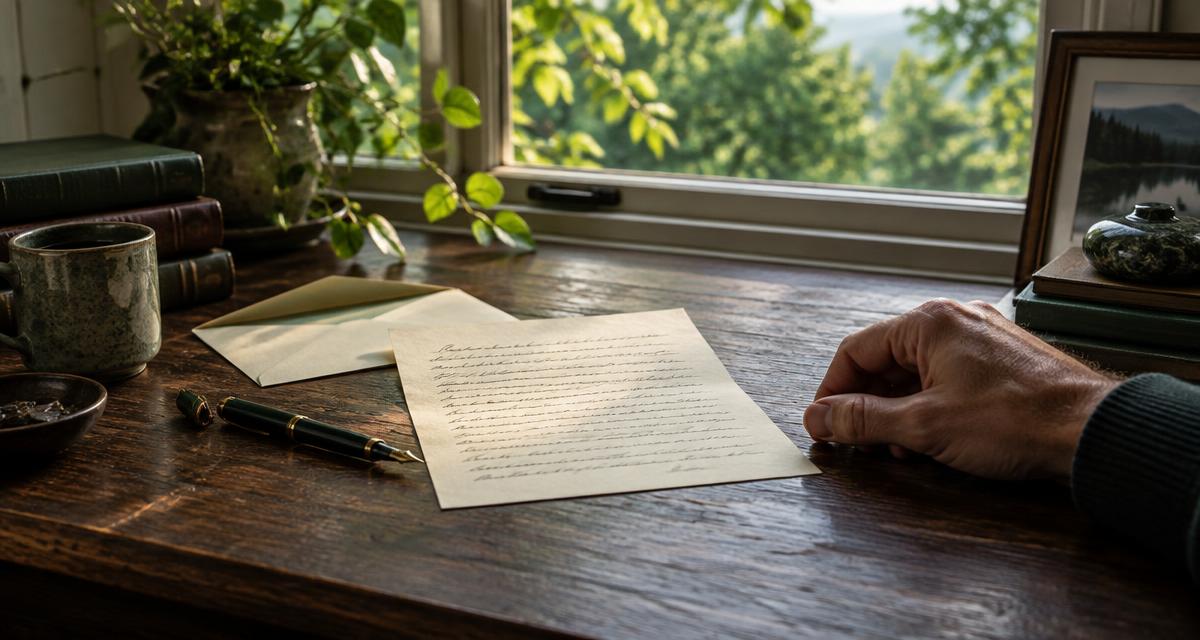
I started writing letters.
Almost every day for a month, I would sit down and write whatever was in my heart. Sometimes I wrote about my experiences. Sometimes about the lessons I was learning. Sometimes about the person and what our connection meant to me.
There was something beautiful about expressing myself without constantly questioning every word.
I wasn't trying to write perfect letters. I wasn't trying to impress anyone.
I simply wanted to be honest.
Eventually, I shared those letters with the person I had written them for.
And while my feelings had become romantic, the other person experienced our connection as a friendship.
That was difficult to hear.
But something I've come to understand is that two people can experience the same connection in completely different ways, and neither person has to be wrong.
Love Doesn't Always Arrive at the Same Time
One thing I've thought about a lot since that conversation is how differently we experience time and emotions.
I had spent weeks writing letters. I had spent time reflecting, understanding my feelings, and slowly allowing them to grow.
I had an entire emotional journey before I finally expressed what was in my heart.
But the other person hadn't necessarily been on that same journey.
They didn't know everything I was feeling or how deeply those feelings had developed.
And suddenly, here I was, sharing something that had taken me weeks, perhaps even longer, to understand.
I think it's important to recognize that.
Just because you've had time to understand your feelings doesn't mean someone else has had the same time to understand theirs.
And even with time, they may never feel the same way.
That's something we have to respect.
When I heard their perspective, I was hurt. But I also understood that they were being honest with me.
They didn't owe me romantic feelings simply because I had developed them.
They didn't owe me a relationship because I had been vulnerable.
And they certainly didn't have to change their feelings to protect mine.
I respect that.
I respect the honesty, the clarity, and the courage it takes to communicate something that may hurt another person.
Because sometimes being honest is an act of kindness, even when the truth is painful.
The Words That Hurt the Most
What made the experience particularly difficult wasn't only hearing that the feelings weren't mutual.
It was hearing how the other person experienced me.
There were concerns about stability, emotional security, trust, and whether I truly understood them.
Those words stayed with me.
I've spent years working on myself, and hearing that someone I cared about didn't necessarily experience me the way I understood myself was painful.
I won't pretend otherwise.
I've cried.
I've felt sad.
I've had moments when I didn't feel like doing much of anything.
And I've questioned myself.
But somewhere in those difficult moments, I started asking a different question.
Instead of asking why someone couldn't see me the way I wanted to be seen, I began asking:
What can I learn from how they experienced me?
That's not always an easy question to ask when you're hurting.
Because our first instinct is often to defend ourselves.
We want to explain everything we've done, everything we've overcome, and how much we've changed.
But sometimes the most meaningful thing we can do is listen.
Not every observation someone makes about us will be completely accurate. People see us through their own experiences, needs, and expectations.
But that doesn't mean there isn't something valuable to learn.
And I think that's where my journey is taking me now.
The Iceberg Nobody Sees
I've been thinking about an iceberg.
When you look at an iceberg floating in the ocean, you only see a small part above the water.
Most of it is hidden beneath the surface.
I think personal growth is often like that.
People see your actions, your career, your relationships, and perhaps the person they remember you being years ago.
But they don't always see everything happening underneath.
They don't see the books you've read, the habits you've changed, the difficult conversations you've had with yourself, or the countless mornings you've spent trying to become a better person.
They don't see the moments when you've recognized your mistakes.
Or the times you've had to confront parts of yourself that you weren't particularly proud of.
And sometimes, people who have known us for years may still remember an older version of us.
That can be frustrating, especially when you know how much work you've put into changing.
But I've also started recognizing something else.
Just because I know how much I've changed doesn't mean everyone else has experienced those changes.
I might feel more emotionally aware today than I did five years ago.
But have I consistently demonstrated that awareness in my relationships?
I might believe I've become a better communicator.
But does the other person actually feel heard and understood?
I might know that my intentions are genuine.
But have my actions created the trust and security another person needs?
Those are different questions.
And perhaps that's where the next part of my growth begins.
Not in convincing someone that I've changed.
But in continuing to live those changes through my actions.
The Demons We Fight Within Ourselves
I think one of the hardest parts of heartbreak is what happens when we're alone with our thoughts.
The conversations begin.
Was I not good enough?
Did I misunderstand everything?
What could I have done differently?
Why does this keep happening to me?
Will I ever find the kind of love I'm looking for?
And if we're not careful, we can spend days, months, or even years living inside those questions.
I've experienced this before.
In another article, Pain, Suffering, and the Stories We Keep Telling Ourselves, I wrote about a difficult breakup I went through almost ten years ago.
Back then, I spent a long time replaying the past and imagining how things could have turned out differently.
I didn't understand the difference between experiencing pain and continuing to create suffering through my thoughts.
Today, I understand that distinction a little better.
But understanding something intellectually and practicing it when your heart is hurting are two very different things.
And that's where I find myself now.
There are moments when I feel peaceful and grateful.
And there are moments when the sadness comes back.
Sometimes I miss the person.
Sometimes I miss the possibility of what I imagined we could have shared.
And sometimes I simply feel the disappointment of opening my heart and realizing that the connection wasn't experienced in the same way.
I'm learning to allow those feelings without turning them into a judgment about myself.
Because someone not choosing a romantic relationship with you doesn't mean you're unworthy of love.
It means that particular connection wasn't what you hoped it would be.
And while that hurts, it doesn't have to define the rest of your life.
Becoming Someone I Would Want to Love
One of the biggest lessons I'm taking from this experience is that I still have work to do.
And I don't mean that in a negative way.
I've spent much of my adult life building companies, taking risks, and pursuing ambitious goals.
That journey has taught me a lot about resilience, discipline, and dealing with uncertainty.
But building a meaningful relationship requires its own kind of work.
I want to become more stable.
Not necessarily in the sense of having every part of my life figured out, but in being consistent, dependable, and emotionally grounded.
I want to become a better communicator.
Not just someone who can express his feelings through words and letters, but someone who listens deeply and makes another person feel understood.
And I want to become someone who creates trust.
Someone whose actions match his words. Someone who makes space for another person to open up without fear of being judged.
These are qualities I want to develop because they matter to me.
Not because I want to convince someone to change their mind.
Not because I need to prove that I'm worthy of love.
But because I want to keep becoming a better human being.
Maybe the greatest lesson from heartbreak isn't learning how to make someone love us. It's learning how to love more consciously.
Spirituality Doesn't Make Us Immune to Heartbreak
This experience has also made me reflect on my spiritual journey.
Over the last few months, I've spent a lot of time practicing meditation, mantra japa, and sadhana.
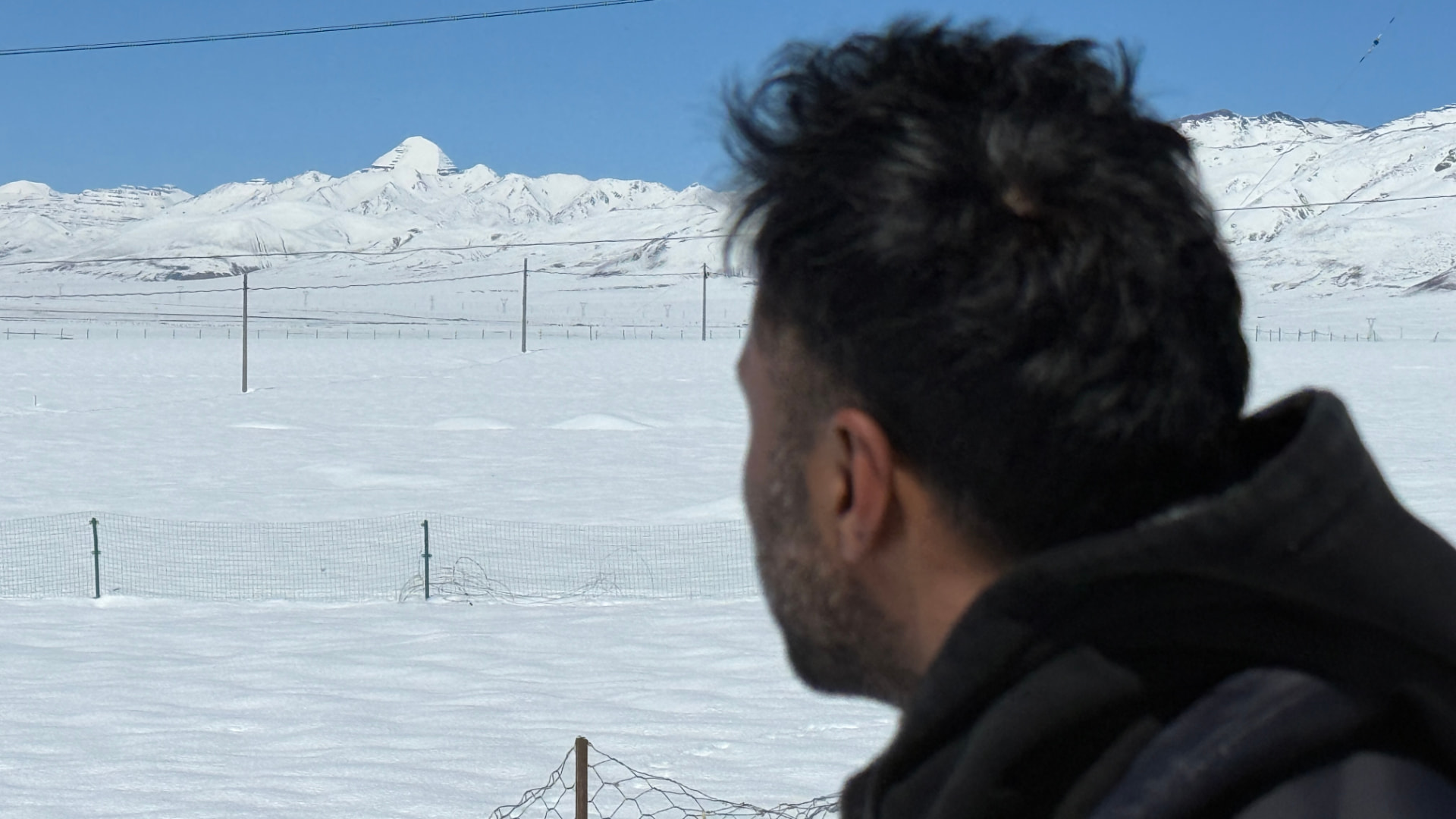
I've completed my third parikrama around Mount Kailash.
I've spent time in temples, in silence, and in prayer.
And yet, here I am, experiencing heartbreak.
There was a time when I might have questioned that.
If I'm working so hard on myself spiritually, why am I still experiencing these emotions?
But I'm beginning to understand that spirituality isn't about becoming someone who never feels pain.
It's about learning how to meet those experiences with greater awareness.
I can be sad without becoming bitter.
I can feel rejected without rejecting myself.
I can respect someone's decision while still grieving what I had hoped for.
And I can love someone without expecting them to return that love.
That last one is something I'm still learning.
Because it's much easier to talk about unconditional love than to practice it when your feelings aren't returned.
But perhaps that's part of the journey.
Our spiritual practices don't remove us from being human. They help us become more conscious of how we experience being human.
I Still Believe in Love
I don't know how long it will take for these feelings to settle.
Some days are easier than others.
There are moments when I feel grateful for the entire experience, and others when I still find myself feeling deeply hurt.
I'm not going to pretend I've figured everything out.
I haven't.
But I don't regret being vulnerable.
I don't regret writing those letters.
And I don't regret expressing what was genuinely in my heart.
Those feelings were real to me.
The fact that they weren't returned in the same way doesn't make them any less meaningful.
I'm grateful that I had the courage to express them, and I'm grateful that the other person had the honesty to share their perspective.
I can respect their feelings without denying my own.
And I can take the lessons from this experience without carrying resentment into the future.
I still want to fall in love.
I still want to build a meaningful relationship, create a family, and share my life with someone.
I still believe those things are possible.
But for now, I'm going to continue working on myself.
I'm going to become more stable, more present, more understanding, and more intentional about how I show up in relationships.
Not because I wasn't enough.
But because I believe there is always room to grow.
And when I meet someone in the future, I hope I can bring everything I've learned into that connection.
Not a perfect version of myself.
Just a more conscious one.
The Courage to Keep Your Heart Open
If you're going through heartbreak right now, I don't know exactly what you're feeling.
Maybe you loved someone who didn't feel the same way.
Maybe a relationship ended.
Maybe you finally found the courage to express your feelings and the response wasn't what you hoped for.
Whatever your experience, I hope you don't see your vulnerability as a mistake.
Opening your heart takes courage.
And sometimes that courage leads to love.
Sometimes it leads to disappointment.
Sometimes it teaches us things about ourselves that we weren't ready to see.
But I don't think the answer is to stop feeling, stop trusting, or stop loving.
Maybe the real courage is allowing ourselves to experience heartbreak without letting it change the kindness we carry in our hearts.
To listen when someone shares something difficult.
To recognize where we can grow.
To accept what we cannot change.
And to continue moving forward, even when we don't know what comes next.
I'm still learning how to do all of this.
Some days, I'm better at it than others.
But there's one thing I know.
I would rather have the courage to love deeply, even if it means getting hurt, than spend my life protecting myself from the possibility of love.
And perhaps that's what this experience is teaching me.
Not how to stop my heart from breaking.
But how to keep it open, even when it does.